St. John's
Sermon - Mar 29, 2026 Palms to Pouring
Palms to Pouring
Matthew 21:1-11, 26:1-16
March 29, 2026: Palms to Pouring
Rev. Heather Carlson, St. John’s Presbyterian Church, Medicine Hat, AB
Palm Sunday looks like a celebration parade—branches waving, cloaks spread on the road, voices shouting, “Hosanna! Save us!” But this is no casual celebration. It is the beginning of a collision—between the kingdom of God and the powers of this world, between human expectations and God’s purposes.
Jesus enters Jerusalem, stepping directly into that tension.
While Roman authorities ride in with soldiers, horses, and a show of force, Jesus comes on a donkey. Not as a display of weakness, but as a declaration of a different kind of power: humility, peace, and self-giving love. The crowds shout, “Hosanna to the Son of David!” They are not wrong—but they are not fully right either.
They see a king—but not yet the cross.
They hope for rescue—but not the kind Jesus brings.
They long for power—but he brings surrender.
Palm Sunday reminds us how easy it is to welcome Jesus—on our terms. To praise him when we think he will do what we want. To cry “Hosanna” when it suits us.
But the story does not stay in the streets of celebration. It moves—quickly and quietly—to a house in Bethany.
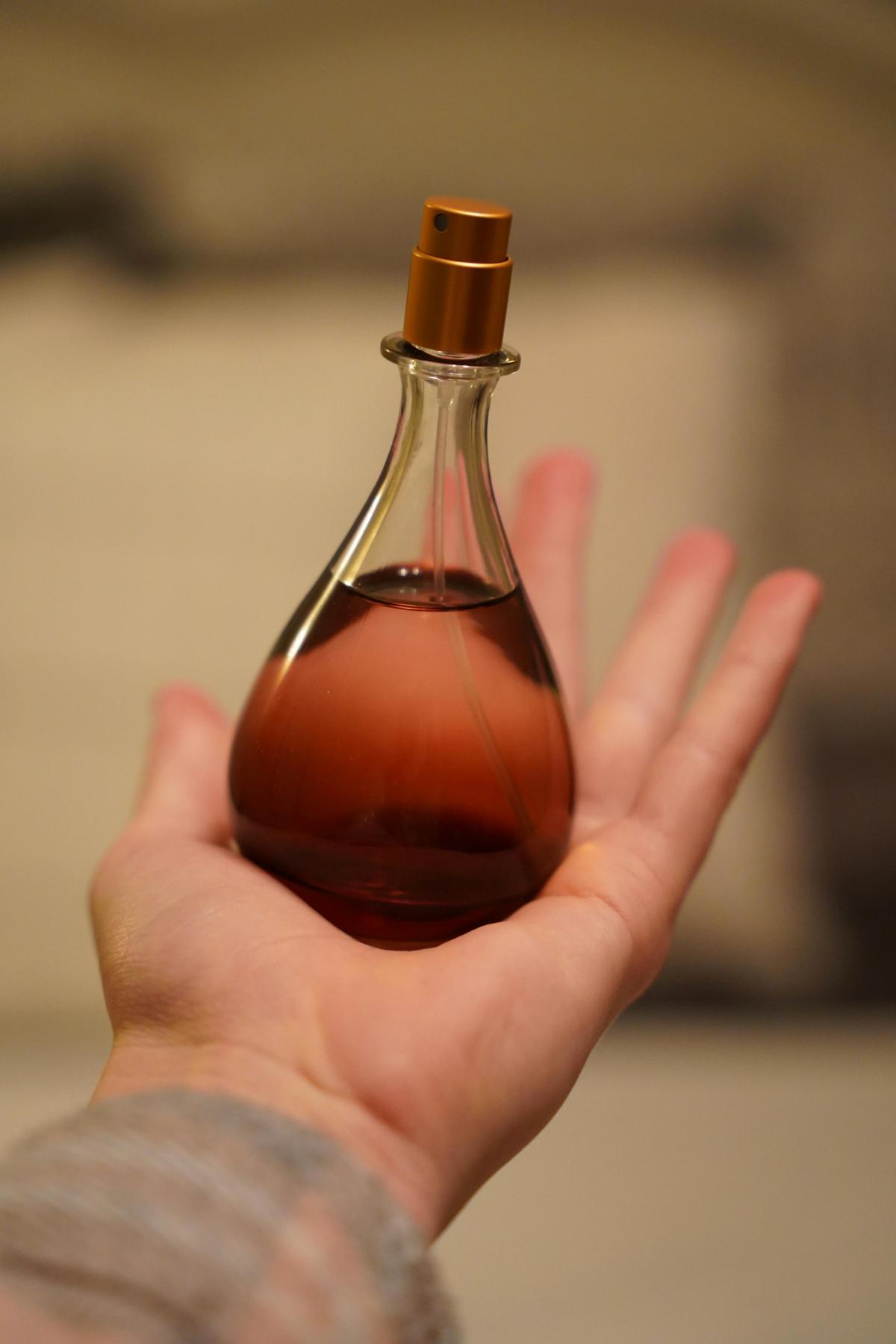
In that small, ordinary space, an unnamed woman steps forward. She carries an alabaster jar filled with costly ointment. Without a word, she breaks it open and pours it over Jesus.
It is extravagant. It is excessive. It is, to some, a waste.
The disciples protest: “Why this waste? This could have been sold. The money could have been used for good.” Their logic is sound. Their reasoning is practical. Their objection makes sense.
But Jesus sees something they do not.
“Why do you trouble the woman?” he says. “She has done a beautiful thing to me.”
And then he names what no one else has yet understood:
“She has prepared me for burial.”
While the crowds are still caught up in celebration, this woman recognizes something deeper. She sees what others miss. She understands that Jesus is not simply a king arriving to take power—he is a Savior on his way to the cross.
And so she responds—not with calculation, not with restraint, but with love poured out.
Her act is not efficient. It is not strategic. It cannot be justified on a ledger sheet. It is simply an offering—costly, personal, and complete.
And Jesus receives it as exactly that.
“Truly I tell you,” he says, “wherever the good news is proclaimed in the whole world, what she has done will be told in remembrance of her.”
In a world that measures worth by visibility, power, and recognition, this is a quiet reversal. An unnamed woman. No status. No title. No voice recorded. And yet her act echoes through history.
Because in the kingdom of God, what matters is not prominence—but devotion. Not efficiency—but love. Not how much is preserved—but how much is given.
She gives everything in that moment. She holds nothing back.
And right beside her act, another response unfolds.
Judas goes to the chief priests and asks, “What will you give me?” Where she pours out something priceless, he calculates a price. Where she gives freely, he bargains. Where she honors Jesus, he hands him over.
Two responses, side by side.
One sees Jesus as worthy of everything.
The other sees him as worth thirty pieces of silver.
And this contrast forces a question upon us—not about them, but about us.
What is Jesus worth to us?
Palm Sunday exposes how easily we can admire Jesus at a distance. The crowds shouted loudly—but their understanding was shallow. The disciples walked closely—but still misunderstood. And in Bethany, one woman—quiet, unnamed, unnoticed—responds with clarity and depth.
She does not just welcome Jesus. She gives to him.
She does not just praise him. She honors him.
She does not just follow him. She recognizes him.
And her response costs her something.
That is the difference. Because real devotion costs.
It may not look like pouring perfume from an alabaster jar. But it will mean offering something we would rather keep. Time. Reputation. Comfort. Control. It will mean loving Jesus not just when it is easy—but when it feels costly, even unreasonable.
The disciples called it waste.
Jesus called it beautiful.
And that tension still exists.
There will always be voices—around us and within us—that tell us to hold back, to be reasonable, to keep faith measured and contained. To give, but not too much. To follow, but not too far.
But the woman in Bethany shows us another way.
A way of love that is not calculated.
A way of devotion that is not cautious.
A way of seeing Jesus that changes everything.
As Holy Week begins, we stand between two scenes: the parade and the pouring.
The parade is loud, visible, and full of energy.
The pouring is quiet, personal, and costly.
And the question is not whether we will join the crowd for a moment—but whether we will follow the example of the woman.
Will we offer what we have—even when it feels like too much?
Will we recognize Jesus not only as king—but as the one who gives himself for us?
Will we respond not just with words—but with lives poured out?
Because this is the heart of the gospel:
Jesus does not hold himself back.
He does not measure out his love in careful portions.
He gives himself fully—on the cross.
And in response, he receives—even now—the offerings we bring. However imperfect. However costly. However small they may seem.
So as we walk into this week, the invitation is simple, but not easy:
Not just to shout “Hosanna.”
But to pour out what we have.
Not just to celebrate a king.
But to love a Savior.
And in doing so, we may discover that what looks like loss in the eyes of the world is, in the eyes of Christ, something beautiful.
Thanks be to God.
World Communion Sunday
Posted On Oct 06 2026